

Au Revoir les Enfants: Memory, Silence, and the Cost of Indifference
Au Revoir les enfants (1987) is Louis Malle’s quiet return to a moment that shaped him for life. Set during Nazi-occupied France, the film looks at childhood, friendship, and betrayal without grand statements. Instead, it trusts small gestures and everyday routines to reveal how history enters private spaces and leaves marks that never fully fade.
Louis Malle based Au Revoir les enfants on his own experience at a Catholic boarding school during World War II. In 1944, the school sheltered Jewish students in secret. A betrayal led to their arrest and deportation. Malle does not recreate this event as spectacle. He approaches it through the eyes of Julien, a student who slowly becomes aware of what is happening around him. This choice keeps the focus on perception rather than explanation.
The film’s strength lies in observation. Classroom lessons, shared meals, and moments of boredom fill much of the running time. These scenes matter because they show how normal life continues even under threat. The presence of danger is felt, not announced. When it finally arrives, it does not feel sudden. It feels inevitable, which makes it harder to shake.
Malle’s style here is restrained. The camera often stays at a distance, allowing scenes to unfold without emphasis. Music is used sparingly. Performances feel natural, especially among the children, whose conversations drift between jokes, jealousy, and curiosity. This restraint prevents the film from becoming sentimental. Emotion comes from recognition, not manipulation.
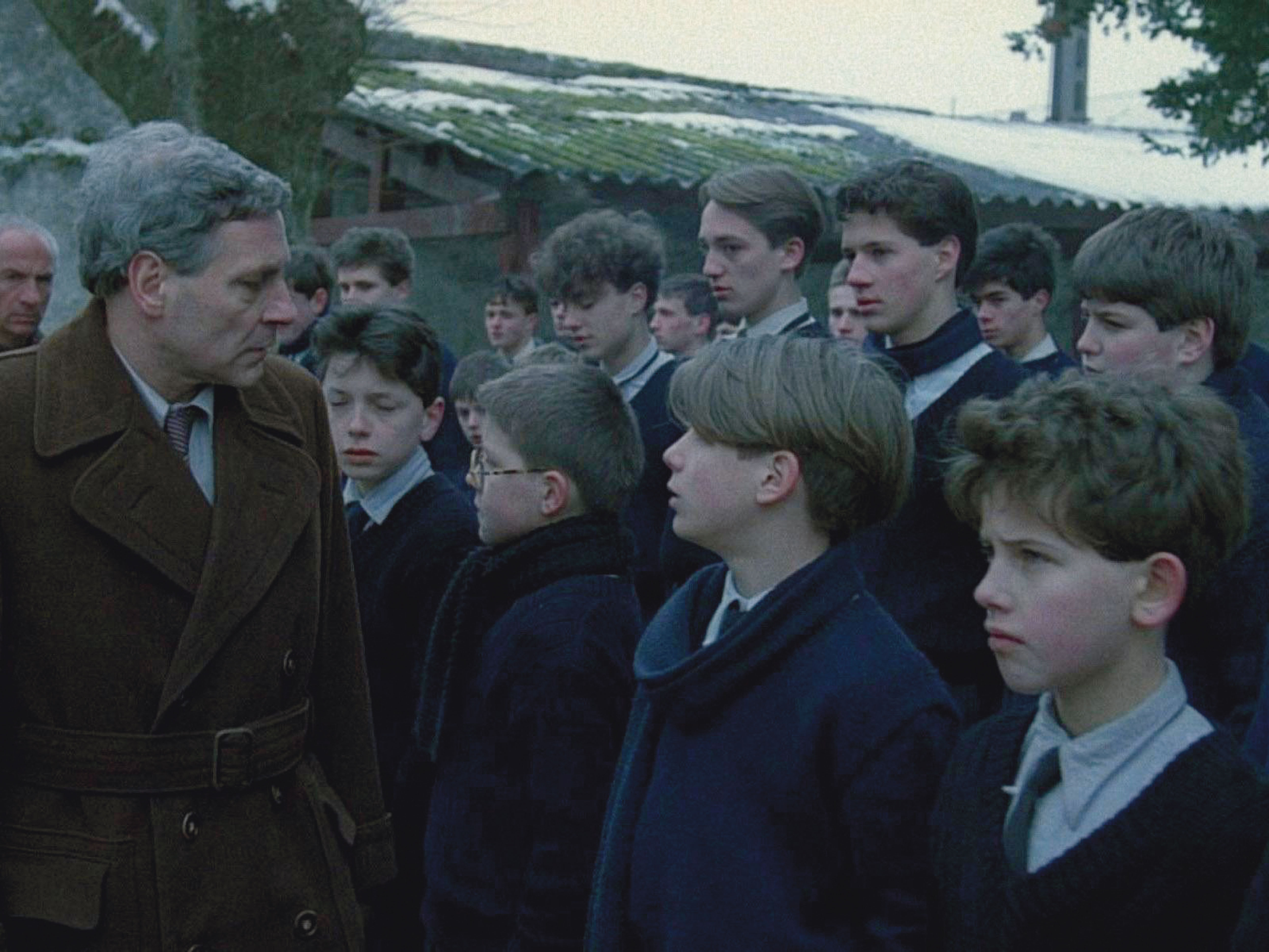
In many ways, Au Revoir les enfants sits alongside films like The White Ribbon by Michael Haneke or The Diary of Anne Frank, though Malle’s approach is more inward. Where others underline moral lessons, Malle lets discomfort remain unresolved. Julien survives, but survival is not framed as victory. Guilt and memory linger long after the final image.
Watching the film today, it feels difficult to separate it from current political climates around the world. The story raises questions about silence, complicity, and the cost of looking away. It reminds us that systems of exclusion often depend on everyday compliance. The film does not ask us to identify villains easily. Instead, it shows how fear and self-preservation can shape choices, even among those who believe themselves to be decent.
Recently, Jakarta Cinema Club, in collaboration with Institut Français d’Indonésie, screened Au Revoir les enfants as part of The After Hours program. The turnout was strong, and the conversation afterward reflected how present the film still feels. Many people connected its themes to contemporary issues, from rising intolerance to the fragility of safe spaces. The screening became less about history as past and more about history as warning.
Au Revoir les enfants endures because it refuses closure. It does not offer comfort or clear answers. What it leaves us with is attention. To faces in a room. To moments that seem small. To the understanding that what we notice, or choose not to notice, can carry lasting weight.
Also read: Costa-Gavras: Politics as Cinema
Pingback: La Haine: Anger, Distance, and the Politics of Being Seen - Jakarta Cinema Club