

Jules et Jim and the Romance We Still Struggle to Name
François Truffaut’s Jules et Jim (1962) feels uncannily modern. Long before dating apps, open relationships, or the language of emotional boundaries, the film posed a question that still haunts contemporary romance: can love remain honest without becoming destructive?
Watching Jules et Jim today feels less like revisiting a classic and more like overhearing a conversation that never really ended. Jules, Jim, and Catherine attempt a romantic arrangement built on openness, sincerity, and mutual consent. On paper, it sounds strikingly close to how modern relationships often describe themselves. No ownership. No rules imposed by tradition. Just feelings, freely expressed.
Yet Truffaut quietly exposes the gap between theory and practice. The characters speak the language of freedom, but their emotions refuse to cooperate. Catherine’s intensity is not framed as chaos for its own sake. It reflects a truth modern audiences recognize well. Wanting autonomy does not cancel the need for reassurance. Choosing honesty does not spare anyone from hurt.
What separates Jules et Jim from many contemporary love stories is its refusal to moralize. Today, romance is often filtered through self awareness, therapy speak, and clear labels. In Truffaut’s world, people act first and understand later, if at all. Love unfolds through impulse, contradiction, and miscalculation. There is no safety net, only experience.
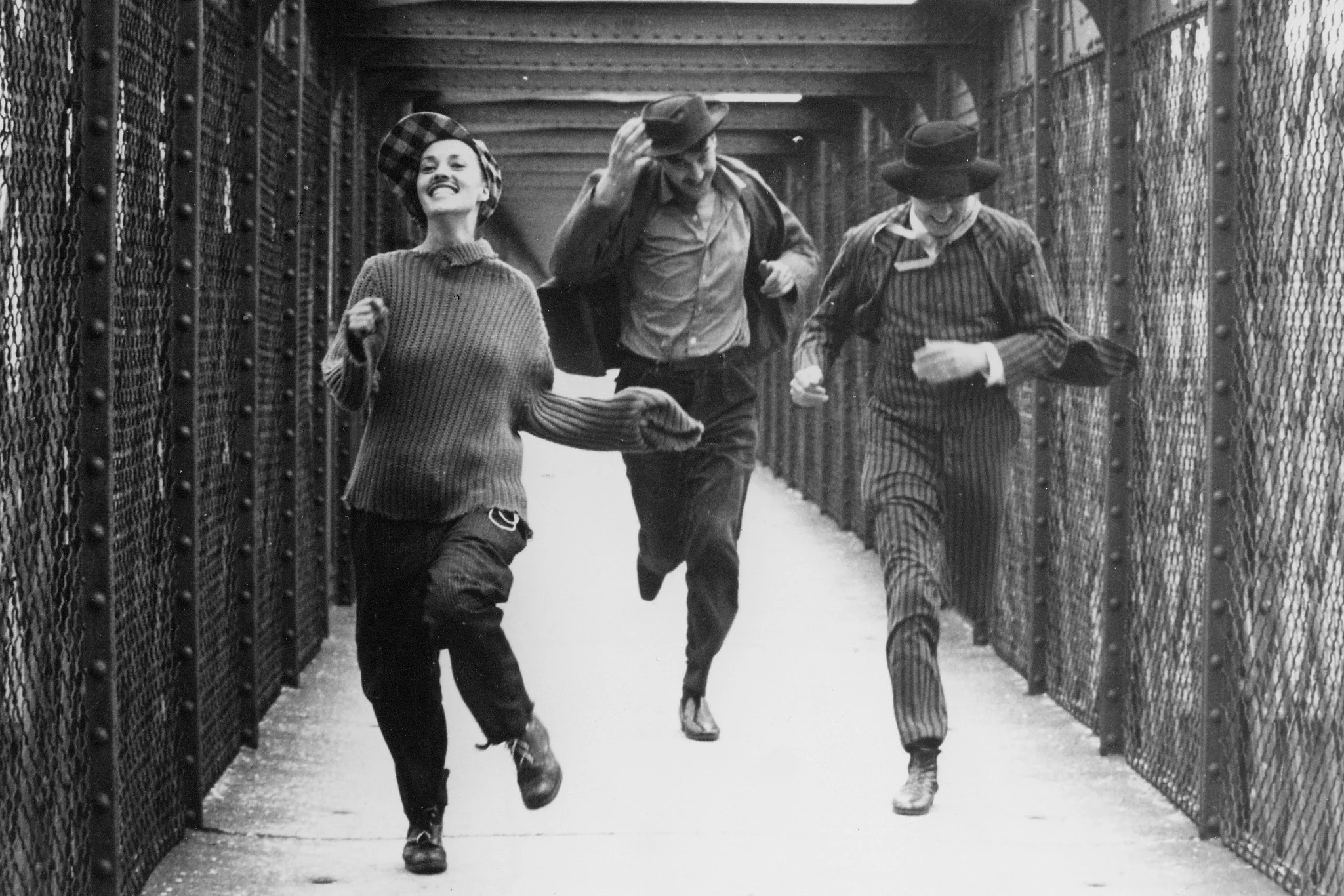
The film also understands something modern romance still wrestles with. Equality of ideals does not mean equality of emotional stakes. Jules and Jim believe they are sharing love generously, yet Catherine carries the weight of being endlessly desired and endlessly misunderstood. Her freedom unsettles because it cannot be managed or simplified.
Stylistically, the film mirrors how memory works. Moments of joy feel fleeting even as they happen. Laughter rushes past, then freezes into recollection. It resembles how relationships are remembered today, especially in an era of constant documentation. Love feels immediate, then suddenly distant, replayed more vividly than it was lived.
In the end, Jules et Jim speaks directly to modern viewers because it understands that romance is not broken. It has always been fragile. The film does not warn against loving freely. It simply reminds us that freedom does not promise peace. Sometimes, it only sharpens the stakes. Jakarta Cinema Club screened Jules et Jim (1962) as part of The After Hours program on 17 December 2025 at IFI Thamrin.
Also read: On François Truffaut’s Jules and Jim: A Bizarre Love Triangle



Pingback: Time, Fear, and the New Wave Gaze: Rethinking Agnès Varda’s Cléo from 5 to 7 - Jakarta Cinema Club