

Watching Sight and Sound’s Top 250 Greatest Films of All Time
Yusgunawan Marto shares his experience of completing the journey of watching every title on Sight and Sound’s Top 250 Greatest Films of All-Time. This edition of The Experience can be heard in full on The Page podcast.
Reading lists of “great films” can feel abstract, but some lists become landmarks not because they are definitive, but because they open up stories worth watching. One such list is Sight and Sound’s Top 250 Greatest Films of All Time, compiled by the British Film Institute’s Sight and Sound magazine. First published in 1952, this decennial poll has grown into one of the most respected touchstones in international film culture, mapping how cinema has been understood and appreciated across generations and geographies.
During the long pause of the COVID-19 pandemic, many routines changed. One such routine for Yusgunawan Marto, the editor at Jakarta Cinema Club, was watching films. Rather than simply browsing titles at random, he turned to the Sight and Sound Top 250 list as a project — a way to immerse himself in a sweeping arc of cinema history from the silent era to modern classics. What began as a backlog turned into months of viewing, sometimes three films in a single day, and at other times more, depending on the rhythms of work and life.
What this experience reveals, beyond check marks on a long list, is how films accumulate significance. Some are remembered for storytelling that reshaped expectations. Others stick with us because they reframe what cinema can do — how it sees, listens, or even sits with silence. The list itself is not a static canon but a conversation that shifts as voices around the world contribute their ballots and perspectives.
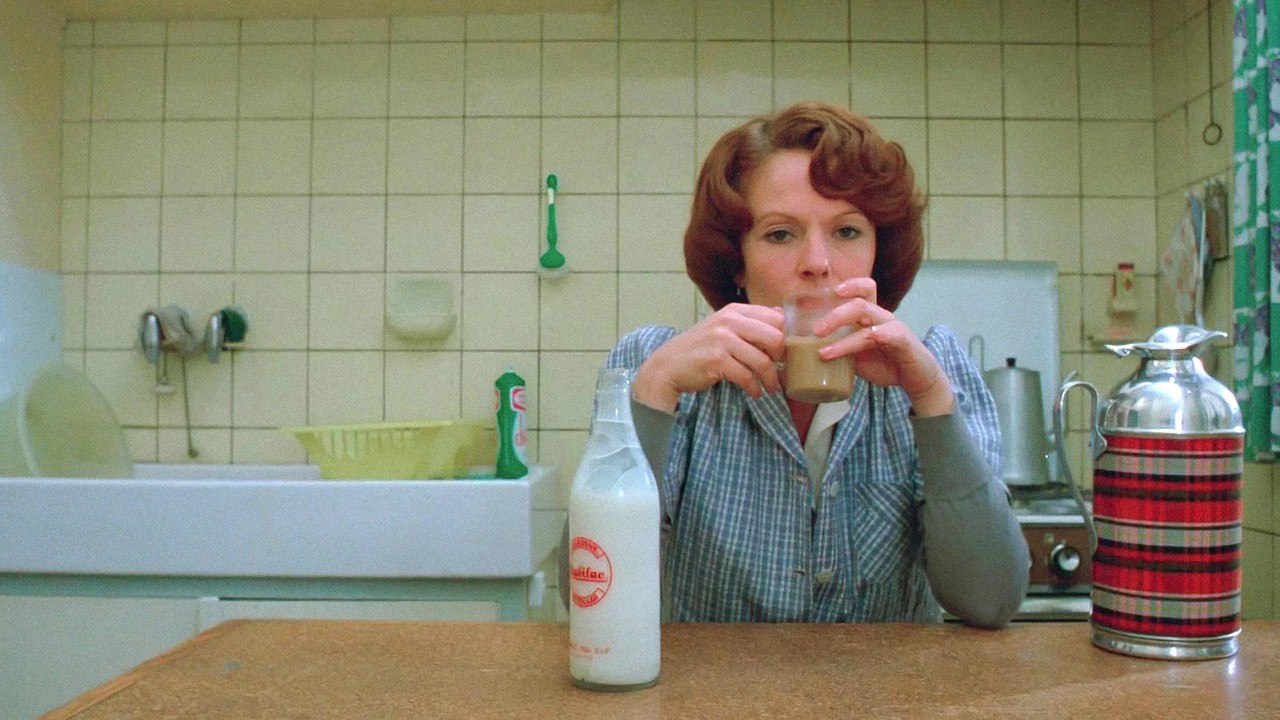
Chantal Akerman’s Jeanne Dielman, 23, quai du Commerce, 1080 Bruxelles (1975) taking the no.1 spot. Image courtesy of MUBI
Watching through hundreds of films is not just about tallying votes or celebrating widely recognized titles. It is a practice in attention. It asks viewers to slow down, to notice formal choices, to engage with eras and aesthetics that may feel distant at first, but which carry the traces of their time and place. In the process, a film’s age or origin becomes part of its texture, not a barrier to understanding it.
This journey through the Sight and Sound Top 250 list is as much about continuity as it is about discovery. Each film sits beside another from a different context — a silent masterpiece beside a vibrant modern story, a mid-century classic beside an experimental gem. Over time, patterns emerge, dialogues form, and what once seemed unfamiliar begins to resonate.
For Yusgunawan, the payoff was not simply finishing the list. It was the deepened sense of how films connect across history and how each adds a distinct voice to the ongoing story of cinema. Whether you approach the list as a cinephile or as a curious viewer seeking new perspectives, taking time with these films is an act of listening — to the medium’s past, its present conversations, and to your own evolving responses.
Also read: The Remembrance of Agnes Varda


Pingback: Suzume - Jakarta Cinema Club