
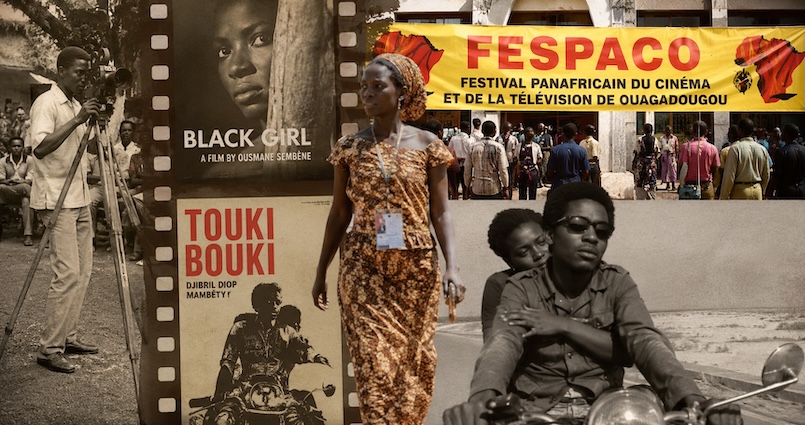
African Cinema in the 20th Century: The Films That Redefined a Continent
For decades, African cinema existed in a strange paradox. It was one of the world’s richest cinematic traditions, yet one of its least accessible. While Hollywood exported spectacle and Europe refined the language of art-house filmmaking, filmmakers across Africa were asking a different question: What does cinema look like when people tell their own stories after centuries of being spoken for?
African cinema has long occupied a curious place in film history. While Hollywood, Europe, and Japan became staples of film education and criticism, the cinematic traditions of Africa remained largely overlooked outside festivals and academic circles. Yet throughout the twentieth century, filmmakers across the continent were creating bold, politically charged, and deeply personal works that challenged colonial narratives while documenting societies in transition. Their films were never simply about entertainment. They became a way to reclaim history, preserve cultural identity, and give voice to communities that had spent decades being represented through someone else’s lens. Today, as audiences become increasingly interested in global cinema, revisiting the pioneers of African filmmaking reveals not only a remarkable artistic legacy but also a foundation that continues to shape contemporary cinema.
The Birth of Modern African Cinema
Cinema arrived in Africa at the end of the nineteenth century, but for decades the medium was almost entirely controlled by European colonial powers. Films produced during this period typically portrayed Africans as subjects of anthropology, exotic adventure, or colonial propaganda, reinforcing stereotypes for audiences abroad rather than reflecting the realities of life on the continent. Local participation behind the camera was minimal, largely because access to funding, film equipment, and professional training remained under colonial control.
The turning point came during the wave of independence movements that swept across Africa in the late 1950s and 1960s. As newly independent nations sought to define their own cultural identities, cinema became an important tool for nation-building. Governments established film institutions, while aspiring directors traveled to France, the Soviet Union, and other countries to study filmmaking before returning home with a determination to tell stories rooted in their own experiences. Instead of borrowing European perspectives, these filmmakers centered African languages, traditions, and social realities, creating works that reflected the complexity of postcolonial life.
No figure symbolizes this transformation more than Ousmane Sembène. Often regarded as the father of African cinema, Sembène believed film could reach audiences beyond the educated elite who read literature. His landmark feature Black Girl (1966) became one of the first internationally celebrated films directed by a sub-Saharan African filmmaker, examining the psychological consequences of colonialism through the story of a young Senegalese woman working in France. Rather than celebrating independence as a finished achievement, Sembène asked difficult questions about dignity, identity, and the invisible structures that colonialism left behind.
Themes That Defined African Cinema
Although African cinema spans dozens of countries, languages, and cultures, several recurring themes emerged throughout the twentieth century. The first was the lingering impact of colonialism. Rather than focusing exclusively on political events, filmmakers examined how colonial rule reshaped education, religion, language, and personal identity. Many characters found themselves caught between inherited traditions and imported European values, creating stories that explored uncertainty instead of offering easy answers.

Another defining theme was the tension between tradition and modernization. Rapid urbanization transformed many African societies after independence, bringing new opportunities while challenging long-established customs. Directors frequently depicted young people migrating to cities, changing family dynamics, and communities negotiating the pressures of industrialization and globalization. These films rarely portrayed tradition as inherently virtuous or modernity as unquestionably progressive. Instead, they acknowledged that both carried possibilities and contradictions.
African cinema also drew heavily from oral storytelling traditions, giving many films a rhythm that differed from conventional Hollywood structure. Conversations, proverbs, songs, and communal rituals often carried as much narrative weight as plot itself. This approach produced films that unfolded patiently, inviting viewers to observe everyday life rather than rushing toward dramatic climaxes. At first glance, the pacing can feel unfamiliar, but that’s precisely what gives many African classics their distinctive voice.
Building an Audience Without a Film Industry
One of the greatest obstacles facing African filmmakers was not making films but finding audiences. Throughout much of the twentieth century, commercial distribution remained limited across the continent, with movie theaters concentrated in larger cities while rural regions had little access to cinemas. Even in urban centers, Hollywood imports and European productions often dominated screens because they promised greater financial returns for exhibitors.

In response, filmmakers and cultural institutions developed alternative methods of distribution. Mobile cinema programs traveled from village to village with portable projectors, allowing communities to watch films in public gathering spaces. Universities, cultural centers, embassies, and local film societies also became essential exhibition venues, creating audiences outside commercial theaters. International festivals played an equally important role, particularly the Panafrican Film and Television Festival of Ouagadougou (FESPACO), founded in 1969. The festival became a meeting point for filmmakers across the continent while introducing African cinema to programmers, critics, and distributors from around the world.
Ironically, many landmark African films found greater recognition overseas than in their countries of origin. While this imbalance reflected the realities of global film distribution, it also helped establish African cinema as an essential part of world cinema rather than a regional curiosity.
Five Essential Directors to Discover
If there’s one filmmaker every newcomer should begin with, it’s Ousmane Sembène. Films such as Black Girl, Xala(1975), and Camp de Thiaroye (1988) remain powerful explorations of colonialism, corruption, and social inequality, all delivered with remarkable emotional clarity.
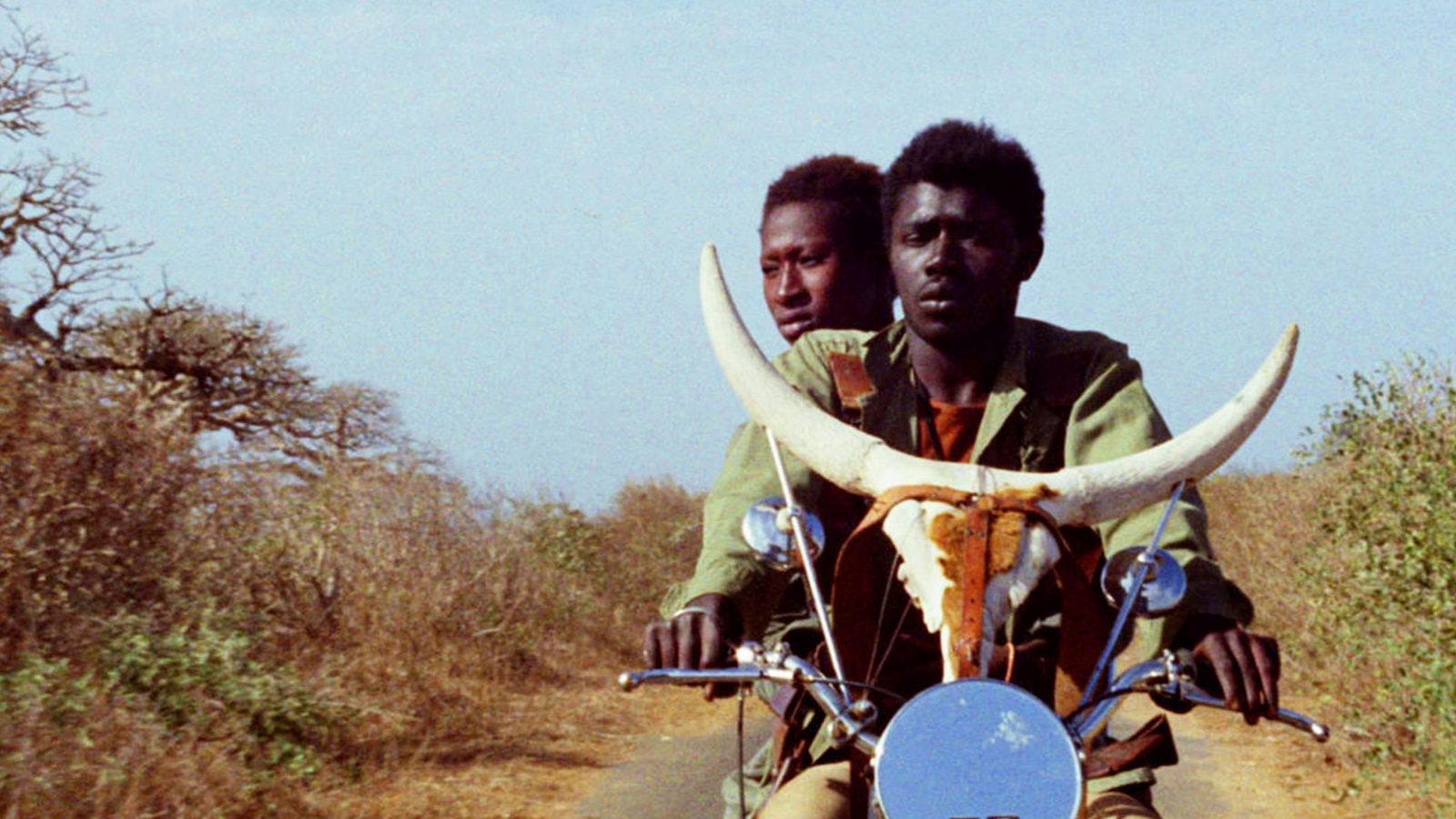
Equally important is Djibril Diop Mambéty, whose Touki Bouki (1973) challenged conventional storytelling through dreamlike imagery, fragmented editing, and surreal humor. Although radically different from Sembène’s realism, Mambéty’s work captured the aspirations and frustrations of post-independence youth with extraordinary originality.
From Mali, Souleymane Cissé combined political commentary with mythology in films such as Baara (1978) and Yeelen(1987). His work demonstrated that African cinema could draw equally from folklore, spirituality, and contemporary politics without sacrificing artistic ambition. Another essential voice is Safi Faye, whose films documented rural communities with warmth and authenticity while challenging assumptions about documentary filmmaking. Meanwhile, Med Hondo brought fierce political energy to films like Soleil Ô (1970), confronting racism, immigration, and the lingering effects of colonial rule through bold visual experimentation.
The Legacy of African Cinema
The influence of twentieth-century African cinema extends far beyond the continent itself. Contemporary filmmakers continue to borrow its emphasis on cultural specificity, community, and everyday experience, proving that universal stories often emerge from deeply local settings. Directors including Abderrahmane Sissako, Mahamat-Saleh Haroun, and Mati Diop have carried these traditions into the twenty-first century, while international filmmakers increasingly acknowledge the influence of African storytelling on global independent cinema.
Perhaps the greatest contribution of African cinema lies in its insistence that representation begins behind the camera. These filmmakers challenged the idea that Africa should exist merely as a setting for stories told by outsiders. Instead, they demonstrated that cinema could become an act of cultural authorship, preserving languages, traditions, and lived experiences while confronting difficult political realities. As streaming platforms, restoration projects, and international festivals continue introducing these films to new audiences, the once-overlooked history of African cinema is finally receiving the recognition it has always deserved. Far from occupying the margins of film history, these works stand among the twentieth century’s most significant artistic achievements, reminding us that the future of cinema has always depended on expanding whose stories get to be told.
Also read: The Thousand Faces of Cannes: Notes from the 2026 Cannes Film Festival, Reflection on African Cinema