

From Claude Chabrol to Adrian Lyne: Why the Marriage Crisis of La Femme infidèle Still Endures
There is nothing new under the sun. We keep telling the same stories, each generation refracting them through its own anxieties and moral codes. On June 23, 2026, Jakarta Cinema Club will screen Claude Chabrol’s La Femme infidèle(1969) as part of The After Hours at IFI Thamrin. More than fifty years after its release, the film remains startlingly modern. Its story of adultery, jealousy, and domestic collapse was later reimagined by Adrian Lyne in Unfaithful (2002), and now finds new life once again in Andrey Zvyagintsev’s Minotaur (2026), which recently won the Grand Prix and Cannes Soundtrack Award at the 79th Cannes Film Festival. Three films. Three eras. One enduring question: what happens when desire enters a marriage that appears stable from the outside?
Claude Chabrol’s La Femme infidèle arrives deceptively quietly. There are no dramatic confrontations, no speeches about love, and no grand declarations of betrayal. Instead, Chabrol observes. He watches a comfortable bourgeois family move through its routines until an affair begins to expose the fragility hidden beneath their orderly lives.
The marriage between Charles and Hélène appears successful by every conventional measure. They live comfortably, raise a child, and maintain the image of domestic stability. Yet Chabrol suggests that marriage often survives not because of passion but because of habit. The affair is not the cause of the crisis. It merely reveals a crisis that already existed.
What makes La Femme infidèle so unsettling is its refusal to provide easy moral judgment. Chabrol is less interested in infidelity than in the structures surrounding it. The film becomes a study of possession, class, and the quiet violence hidden beneath respectability. The famous murder at the center of the story feels almost secondary to the emotional distance that precedes it.
More than thirty years later, Adrian Lyne’s Unfaithful transported the same narrative into affluent suburban America. The broad outline remains intact, but the emphasis changes considerably. Where Chabrol works through observation and restraint, Lyne approaches the material through physical desire and emotional intensity.
The affair between Connie Sumner and Paul Martel becomes the film’s gravitational center. Lyne is fascinated by temptation itself: the thrill of risk, the intoxication of being seen anew, and the illusion that another life might be possible. Diane Lane’s performance captures the contradiction perfectly. Her character is neither villain nor victim. She is simply human.

The differences between the two films reveal changing cultural concerns. Chabrol’s France is preoccupied with social appearances and bourgeois order. Lyne’s America focuses on individual fulfillment and personal longing. Yet both arrive at a similar conclusion. Marriage is often less threatened by sex than by loneliness.
This may explain why the story continues to return. Andrey Zvyagintsev’s upcoming Minotaur marks the third major reinterpretation of the material. Although details remain limited, the Russian filmmaker has built his career examining family structures under pressure, from The Return and Elena to Leviathan and Loveless. The source material seems almost destined for his sensibility.
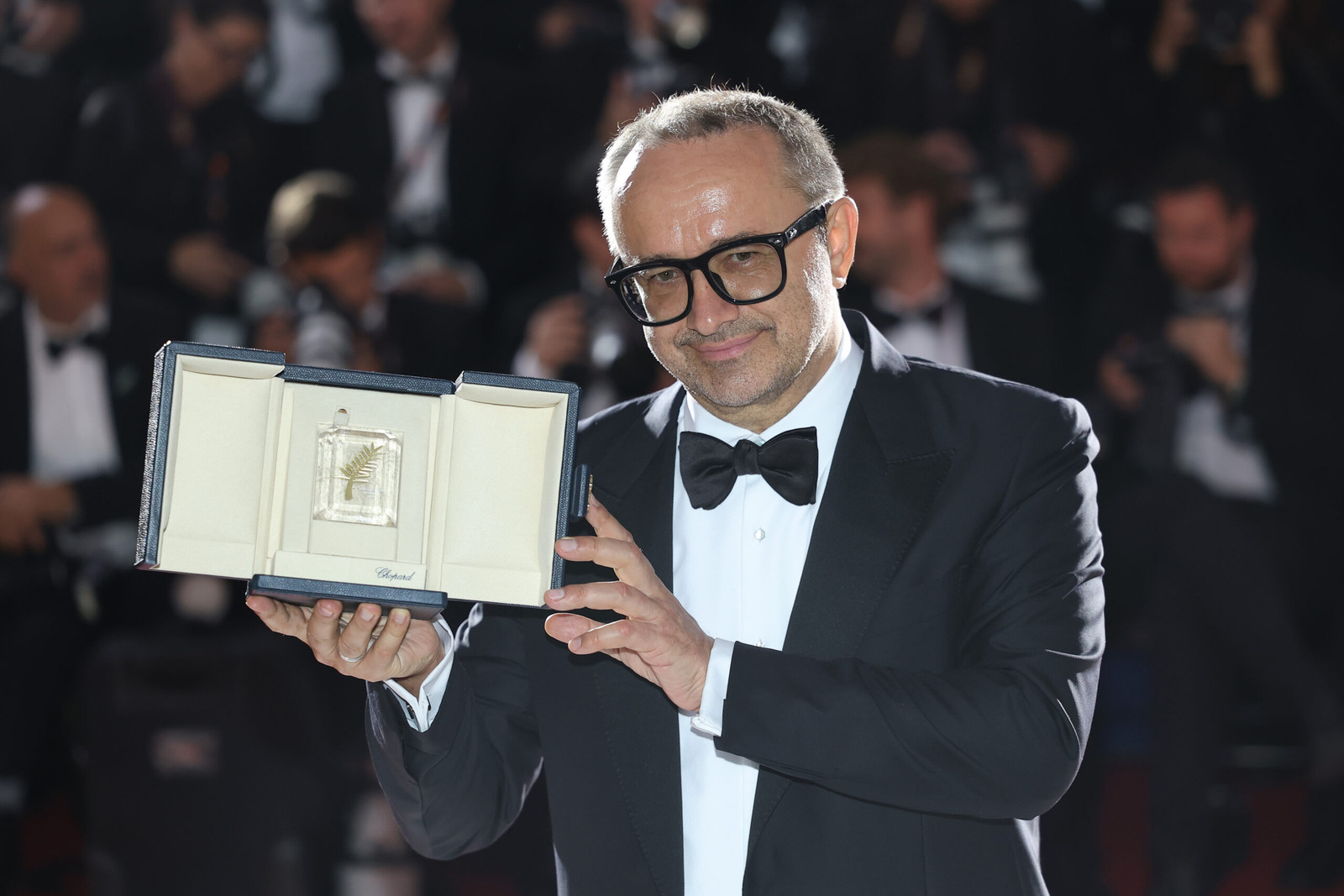
The title itself is telling. In Greek mythology, the Minotaur lives within a labyrinth. So do the characters in these films. They wander through marriage, desire, guilt, and secrecy, searching for an exit that may not exist.
That is what keeps the story alive across generations. Not the affair. Not the murder. Not even the suspense.
It is the recognition that every long relationship contains hidden rooms. Sometimes we never enter them. Sometimes we do. And once that door opens, there is rarely a way back. More than half a century after its release, La Femme infidèle remains as sharp and unsettling as ever. Jakarta Cinema Club, in collaboration with IFI, will present the film as part of The After Hours on 23 June 2026 at 19:00 at IFI Thamrin, Jakarta. Tickets are available here.
Also read: The After Hours Claude Sautet Jakarta Cinema Club

Pingback: The Thousand Faces of Cannes: Notes from the 2026 Cannes Film Festival - Jakarta Cinema Club