
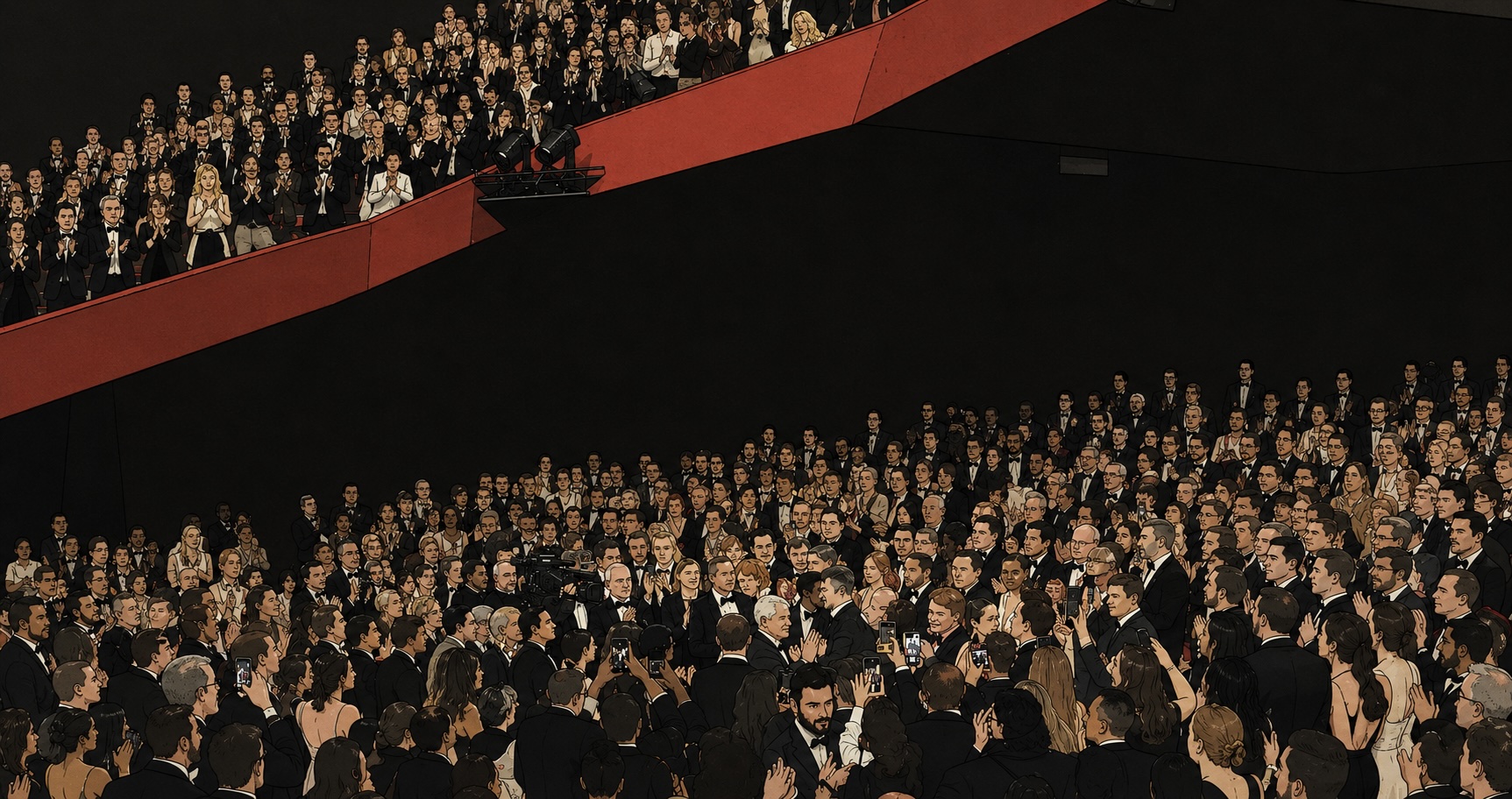
The Thousand Faces of Cannes: Notes from the 2026 Cannes Film Festival
Cannes: the red carpet, the stars, the flashes of photographers. The Croisette, with its golden Mediterranean Sea, its palaces, and its palm trees. What better place could there be to watch films?
This year, the festival ran from May 12 to May 23, and this grand celebration of cinema once again delivered spectacle. Since 1946, Cannes has remained the place where the art of film continues to affirm its power. At a time when audiences are going less and less to movie theaters, when phone screens and new forms of media consume ever more of our leisure time, the magic of the big screen somehow endures: the beam of the projector, the rumbling speakers, the collective shiver passing through a crowded room.
Of course, Cannes is not the only place where cinema lives. Other festivals matter; great films can emerge without any festival premiere at all. But Cannes is Cannes. Cinephiles, journalists, and filmmakers alike seem to agree: if one cinematic event must symbolize world cinema, it is this one.
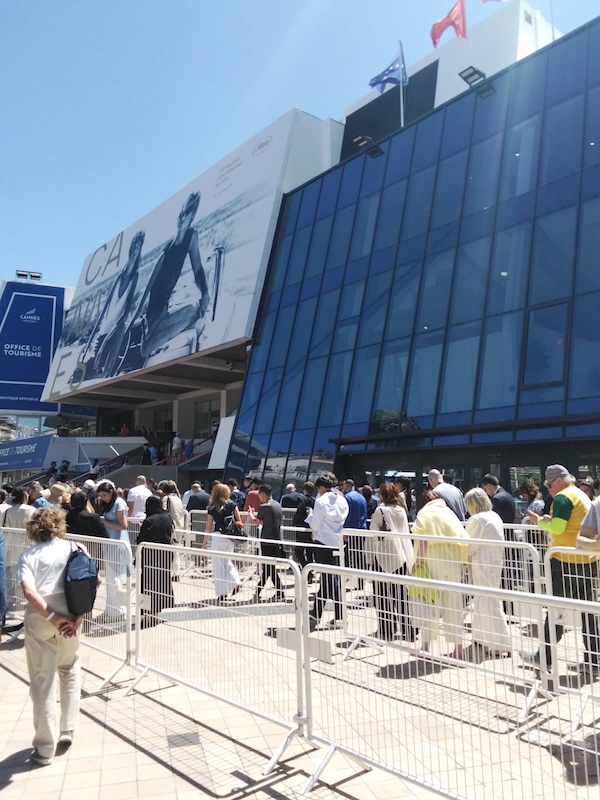
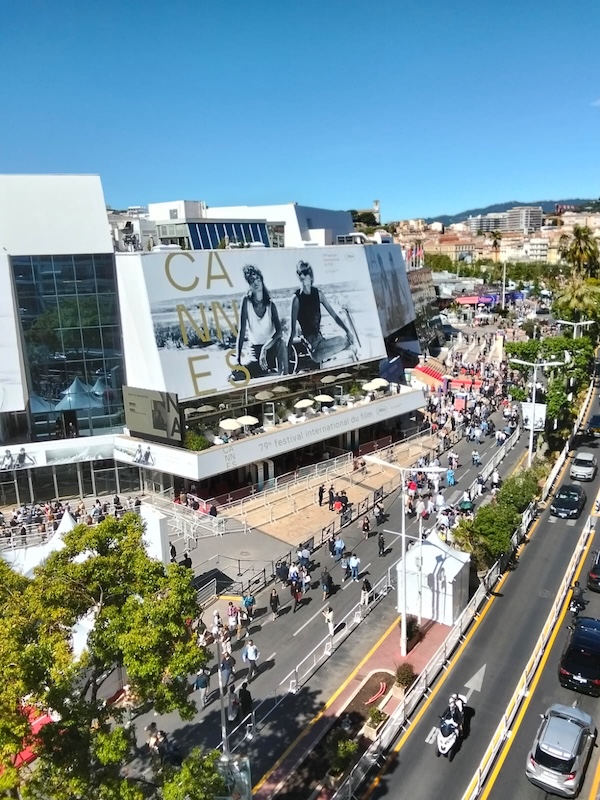
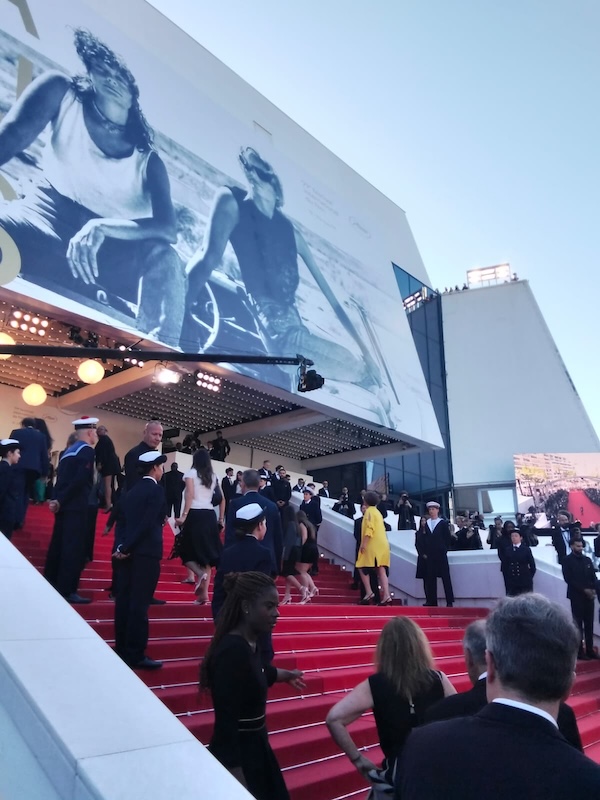
What a joy, then, to attend the festival and discover many of this year’s major films: works from Europe, Asia, the Americas, Africa, and especially France, a country where a deep attention to artistic diversity has helped make French filmmaking one of the most important traditions in film history, past and present alike. But enough chauvinism (yes, I am French). Let us move on to the films themselves.
First comes the Competition. Around twenty films competing for the highest prize of all: the Palme d’Or.
I managed to see four films in Competition. Four auteur films, as one might expect: intimate works centered on fractured relationships. Two brothers trapped in a mafia deal (Paper Tiger, James Gray); a couple torn apart by a police investigation (Gentle Monster, Marie Kreutzer); a filmmaker searching for inspiration in the suffering of others (Amarga Navidad, Pedro Almodóvar); and an artist refusing to let illness prevent him from living intensely (The Man I Love, Ira Sachs).
Unfortunately, none of these four films ultimately felt destined for major awards. Still, how delightful it was to reconnect with some familiar cinematic worlds for a moment, feeling Kylo Ren’s aura (Adam Driver) and glimpsing Madeleine Swann and Lyutsifer Safin beneath the spotlight (Léa Seydoux and Rami Malek).
Outside the Competition, the Official Selection offered its own curiosities. Quentin Dupieux’s Full Phil is playful as always before drifting into deliberate nonsense. The same feeling extends to his animated feature Le Vertige, screened at the Directors’ Fortnight. Nicolas Winding Refn’s Her Private Hell is visually astonishing, yet its characters remain frustratingly opaque, almost impossible to connect with emotionally. Perhaps it is one of those films that reveals itself only upon a second viewing.
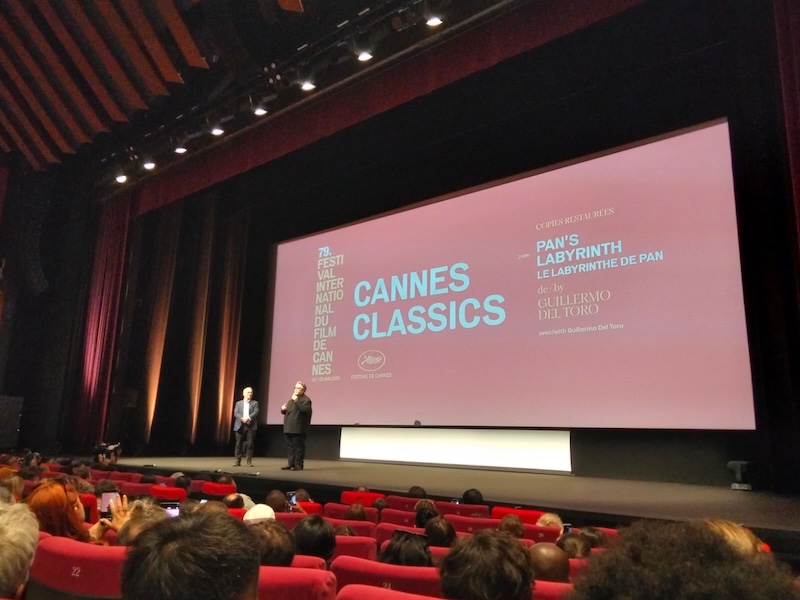
The festival had actually begun with Cannes Classics: Guillermo del Toro presenting the 4K restoration of Pan’s Labyrinth, twenty years after the film famously received a twenty-two-minute standing ovation at Cannes. The film remains a dark fairy tale, both cruel and deeply moving. The official festival opening followed with Pierre Salvadori’s La Vénus électrique, an old-fashioned French period piece elevated mainly by the charm of its cast.
More surprising was the midnight screening dedicated to The Fast and the Furious, with Vin Diesel himself walking the Cannes red carpet. In the absence of a major Hollywood blockbuster, Cannes turned toward perhaps the ultimate commercial franchise, old enough now to be nostalgically reframed as a classic. Vin Diesel, joined by Meadow Walker, daughter of the late Paul Walker, visibly embraced the emotional weight of the occasion.
Yet the strongest emotions I experienced at Cannes came elsewhere.
The first was Vincent Garenq’s L’Abandon, a devastating biopic about Samuel Paty. No dazzling aesthetics here, no romanticism, no escapism: only the horrifying chain of events that destroyed the French history teacher’s life following a false rumor campaign. The film unfolds like a nightmare thriller rooted entirely in reality, and its restraint makes it all the more terrifying.
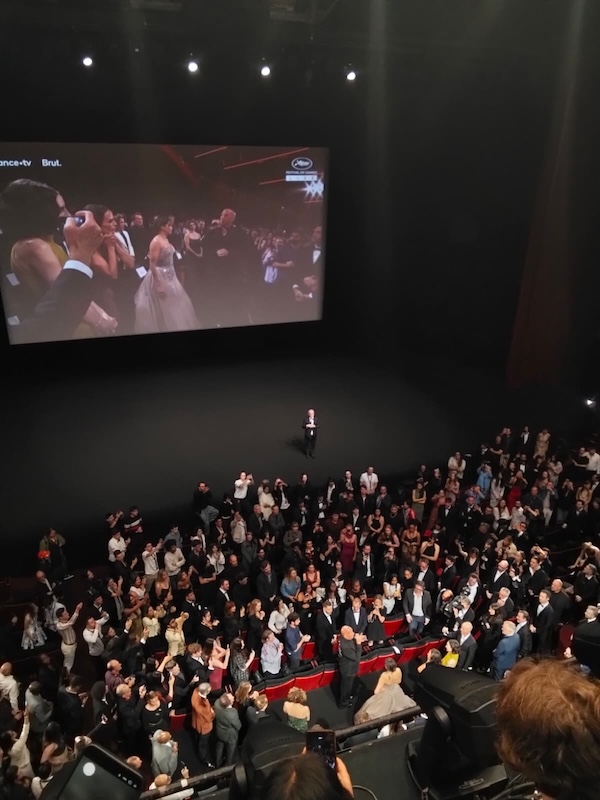
I was equally moved a few days later by Antonin Baudry’s La Bataille de Gaulle: L’Âge de fer, the first installment of a biopic about General Charles de Gaulle. One sequence in particular, twenty minutes immersed in the Libyan desert during the Battle of Bir Hakeim, achieves something extraordinary. Amid exploding shells and advancing tanks, French soldiers hold their position with desperate heroism. Then comes a magnificent cut: from the fire of an explosion to the glowing tip of de Gaulle’s cigarette. That, suddenly, is cinema.
No portrait of Cannes would be complete without mentioning Critics’ Week, devoted to emerging filmmakers.
This year, the Next Step Studio program placed Indonesia in the spotlight through four young talents: Reza Fahri (Holy Crowd), Shelby Kho (Original Wound), Reza Rahadian (Annisa), and Khozy Rizal (Mothers Are Mothering). Their short films, co-directed with Southeast Asian filmmakers Ananth Subramaniam, Sein Lyan Tun, Sam Manacsa, and Lam Li Shuen, and produced by Dominique Welinski and Yulia Evina Bhara, reflected the growing international visibility of Indonesian cinema at Cannes.
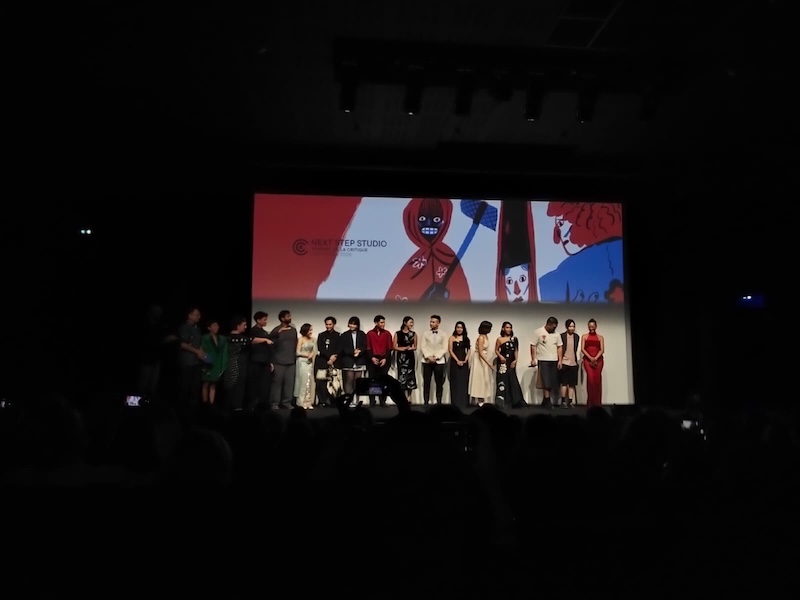
They follow in the footsteps of filmmakers such as Garin Nugroho, Mouly Surya, Wregas Bhanuteja, and Khozy Rizal himself, whose Basri & Salma in a Never-Ending Comedy screened at Cannes in 2023. This year’s Critics’ Week would even award a prize to the short film of German-Indonesian director Berthold Wahjudi, Vaterland or A Bule Named Yanto. After spending two years living in Indonesia, exploring its cinema more deeply in Cannes felt particularly meaningful.
What happiness there is in experiencing such intense emotions as a cinephile, sometimes passionately French and sometimes simply a citizen of world cinema. What happiness, too, in criticizing the year’s most ambitious films while encountering the stars who shaped one’s childhood, adolescence, and early adulthood.
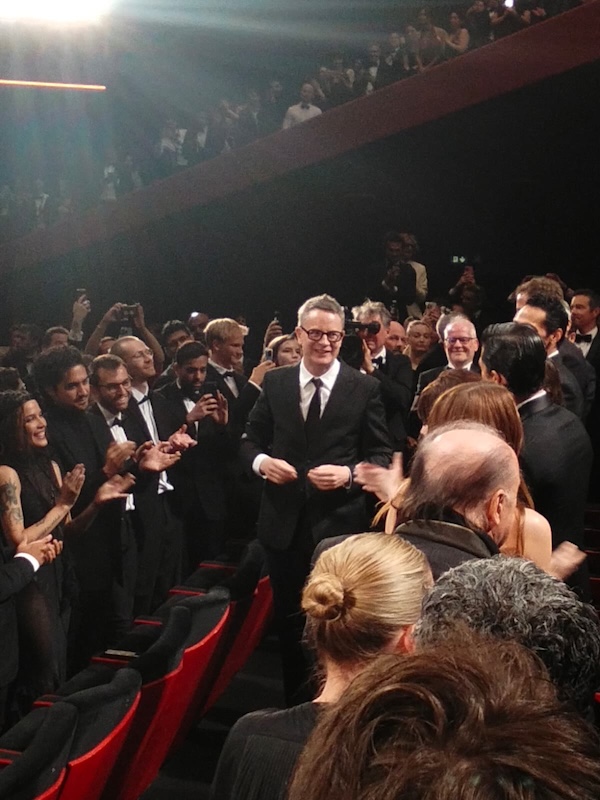
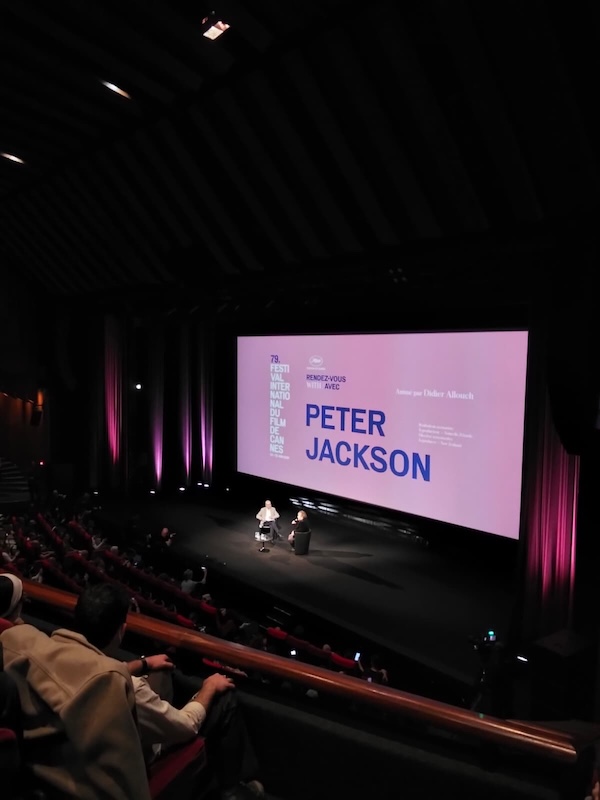
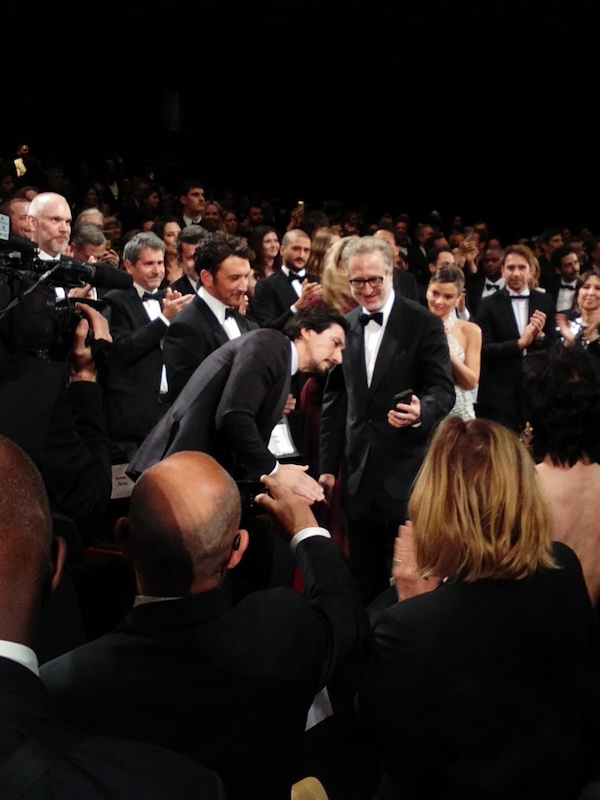
At Cannes, you may suddenly see a master of Korean genre cinema walk onto the stage as president of the jury, bringing back memories of the cathartic violence of Oldboy (Park Chan-wook). You may listen to one of contemporary cinema’s great craftsmen transport the audience back to Middle-earth (Peter Jackson). And perhaps, at the end of the festival, you will briefly meet the actress who first drew you into an independent movie theater and forever altered your relationship to cinema itself: Cate Blanchett.
That is Cannes.
That is what people come here in search of.
Also read: From Claude Chabrol to Adrian Lyne: Why the Marriage Crisis of La Femme infidèle Still Endures

Gaspard Perelman
Gaspard Perelman works at the French Embassy in Indonesia and is also an editor at Jakarta Cinema Club. A returning visitor to Cannes, he found the 2026 edition especially meaningful, both as a cinephile and as an observer of world cinema.
Pingback: African Cinema in the 20th Century: The Films That Redefined a Continent - Jakarta Cinema Club