
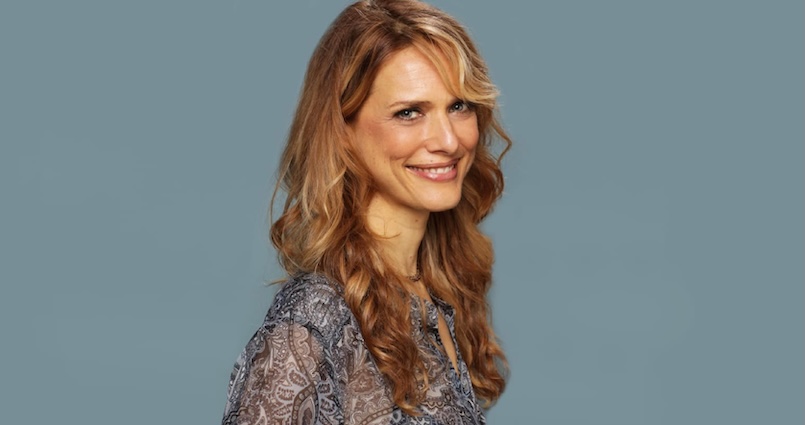
Lynn Shelton: The Independent Spirit We Lost
Lynn Shelton has passed away. Her name first caught attention in the mid-2000s with We Go Way Back, the film that marked her directorial debut and premiered at the Slamdance Film Festival in 2006, winning Best Narrative Feature. That early success hinted at the voice she would continue to refine: compassionate, intuitive, and grounded in human connection.
Shelton’s path into filmmaking was shaped by personal experience and resolve. Inspired in part by the French director Claire Denis—a filmmaker whose own late start encouraged Shelton to pursue her vision—she carried an independent spirit into every project she made. Rather than chasing blockbuster spectacle, Shelton chose honesty and immediacy, trusting that authentic stories about ordinary lives could resonate just as deeply.
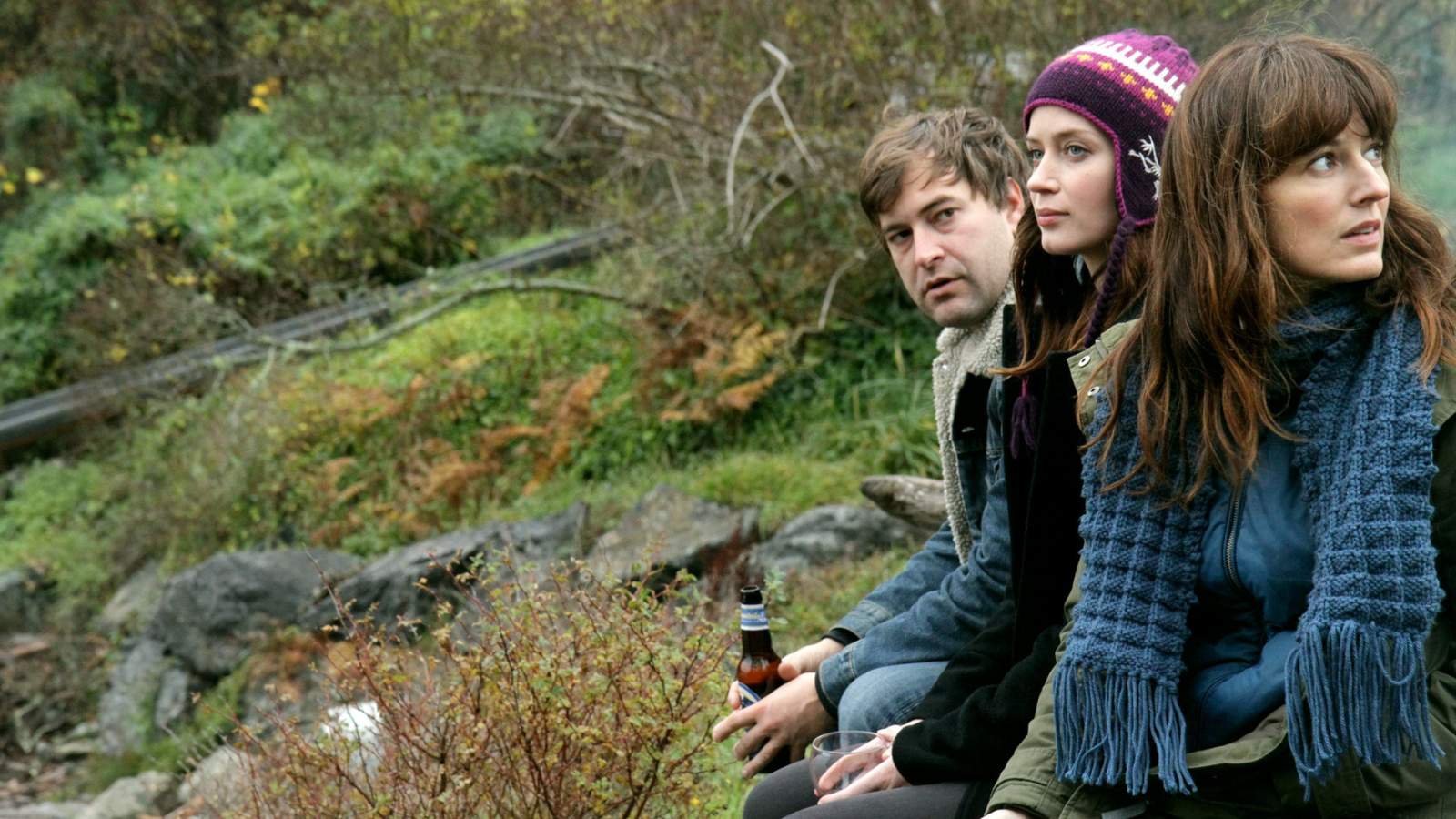
Her feature Your Sister’s Sister (2011) became a defining moment in her career. Premiering at the Toronto International Film Festival, the comedy-drama stood out amid a year dominated by big-budget franchises and superhero films, offering instead a warm, grounded look at relationships, identity, and vulnerability. The performances from Emily Blunt, Mark Duplass, and Rosemarie DeWitt carried a natural ease that became characteristic of Shelton’s work.
This ease was not accidental. Shelton had a way of creating space for her actors to explore, to breathe, and to bring nuance to roles that might otherwise have felt simple. Whether through dialogue or silence, her films often portrayed people at crossroads: negotiating friendship, grappling with desire, or reconfiguring expectations they once held. These themes made her films feel like conversations rather than spectacles.
Over the years, Lynn Shelton built a diverse body of work that continued to explore relationships in varied forms. Touchy Feely, Laggies, Outside In, and Sword of Trust each found a distinct tone while remaining rooted in Shelton’s sensibility: observant, lightly curious, and human at its core. Her work in television, directing episodes of New Girl, GLOW, Fresh Off the Boat, The Good Place, and later executive producing Little Fires Everywhere, extended this voice into popular culture, bringing emotional nuance to broader audiences.
Shelton’s passing at the age of 54 in Los Angeles marked the loss of one of independent cinema’s most generous spirits. For viewers and fellow filmmakers alike, her work held a quiet invitation—to slow down, to pay attention to small gestures, and to find truth in moments often overlooked. In a world that increasingly prizes spectacle, her films reminded us why intimacy in cinema matters.
Jakarta Cinema Club
Also read: Edmund Yeo’s We the Dead: Rohingya and the Fantasy of the Afterlife

